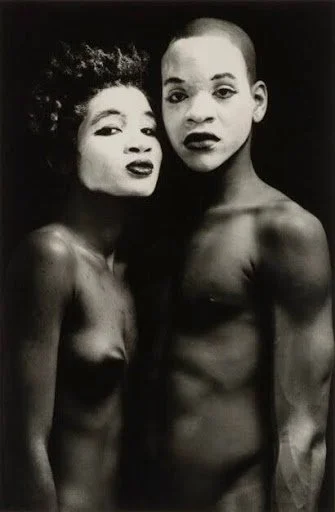



Green is the New Black - Propaganda through Aesthetics with Reid Trussler
Words by Bennett Young
“Style” - 2hollis: Return of Skinny “Jean”s and Fashion Fiends
Words by Nancye Abera Wedajo
A tote-ally clear debate…so strap in (with one shoulder… or two)
Words by Kaili Timberlake
Reject Modernity, Embrace Tradition: Reject Apple Pay, Embrace the Wallet
Words by Daniel Gilad
Clubbing Identities
If there is one thing I learned studying in Berlin, it is that clubbing is more than just a fun thing to do on the weekends, it is a lifestyle; one that is about more than just drugs and alcohol, but finding connection. Whether it be to music, people, or even the self, clubbing is simultaneously an escape and a return. When you dance with no inhibitions, life has meaning.
MOSAIC: Bouldering En Vogue and Active Fashion
Fun, colorful, and exciting, bouldering has been entered as an option into the collective of potential first dates, hangouts, and trendy workouts with the promise of an upper body workout (especially since Carrie Bradshaw-esque “pilates arms” have increasingly become the pinnacle of pursuit in the realm of fitness trends).
Freshman Year & Four Closets
I feel like I’ve changed so much since coming to college. The way I carry myself, the way I feel about certain things, the way I talk. But also, the way I dress. And I can attribute a lot of these changes to my four new closets.
No Form Without Function: A Fashionable Junction
Accessories and their labeling as such may ebb and flow through and between a spectrum of pure utility and bodily decor. Accessories may be a perfect semblance of both, or stray far to one side or the other, but at least ONE of these distinctions must be present. Above all, they must be, in technicality, unnecessary for basic clothing and even stylistic needs.
GYARU!
What is gyaru?
“Gyaru,” derived from the English word “gal,” is a Japanese fashion subculture. Gyaru emerged in the 1970s and gained popularity in the 1990s. Gyaru is a nonconformist subculture, and a core element of gyarus is rebelling against traditional beauty standards. At a time where Japanese women were held to societal standards that required them to appear dainty and modest, gyarus started adopting different forms of expression to oppose these standards.