The Devolution of Lingerie: Do We Show Too Much?
Words by Leen Daoud (@ldbbean)
Photos by Talissa Nguyen
Strutting on Sproul, lost in the radiating energy around me, I feel my sexiest, most confident self. Why is that? Because the only person who knows I am wearing my lacy bra and underwear set is me.

My love for lingerie and matching underwear sets has grown with me throughout the years. At first, it was those 7-for-$27 underwear sales that my mom would buy me from PINK. Later on, it became more expensive sets, and hopefully, a bit more elevated as well, not worn for anyone else except for me. Nevertheless, I do love a see-through top that exposes the very bra that is “supposed” to be, or what my mom hopes is, for my eyes only.
Recently, while friends were sorting through my closet, searching for clothes to borrow, they discovered my colorful collection of lingerie. They were in shock, and so was I. It was at that moment that I discovered how rare it is for women, at least for women of my age, to own lingerie. I continued to investigate further, only to find that most of the women I spoke to owned only a single underwire bra, boyshort underwear, and cotton granny panties. Don’t get me wrong, I do love a granny panty, but I cannot comprehend how all the women I spoke to didn’t own anything else. What killed the art of lingerie?
The most reasonable conclusion—one that can be given to almost every dying art—is the inability to afford it. The cost of underwear is unrealistic, so the concept of purchasing more than what is necessary has become impossible. Hence, the majority of people’s dream lingerie collection forever remains in cobwebbed shopping carts on their computers or curated Pinterest boards on their phones.
So I guess it’s just that lingerie has become an unobtainable luxury—that is why none of my college friends had any. With a hefty price tag that can range from $50-100, these “undergarments” are minimized as opulent items unnecessary to one’s everyday life. However, this is far from the truth: lingerie can be considered an essential in your life.
Personally, growing up in a strict religious home, self-expression through fashion always felt complicated. I absorbed the idea that showing even a little bit of skin was scandalous, but in hindsight, I think that's why I might enjoy it now.
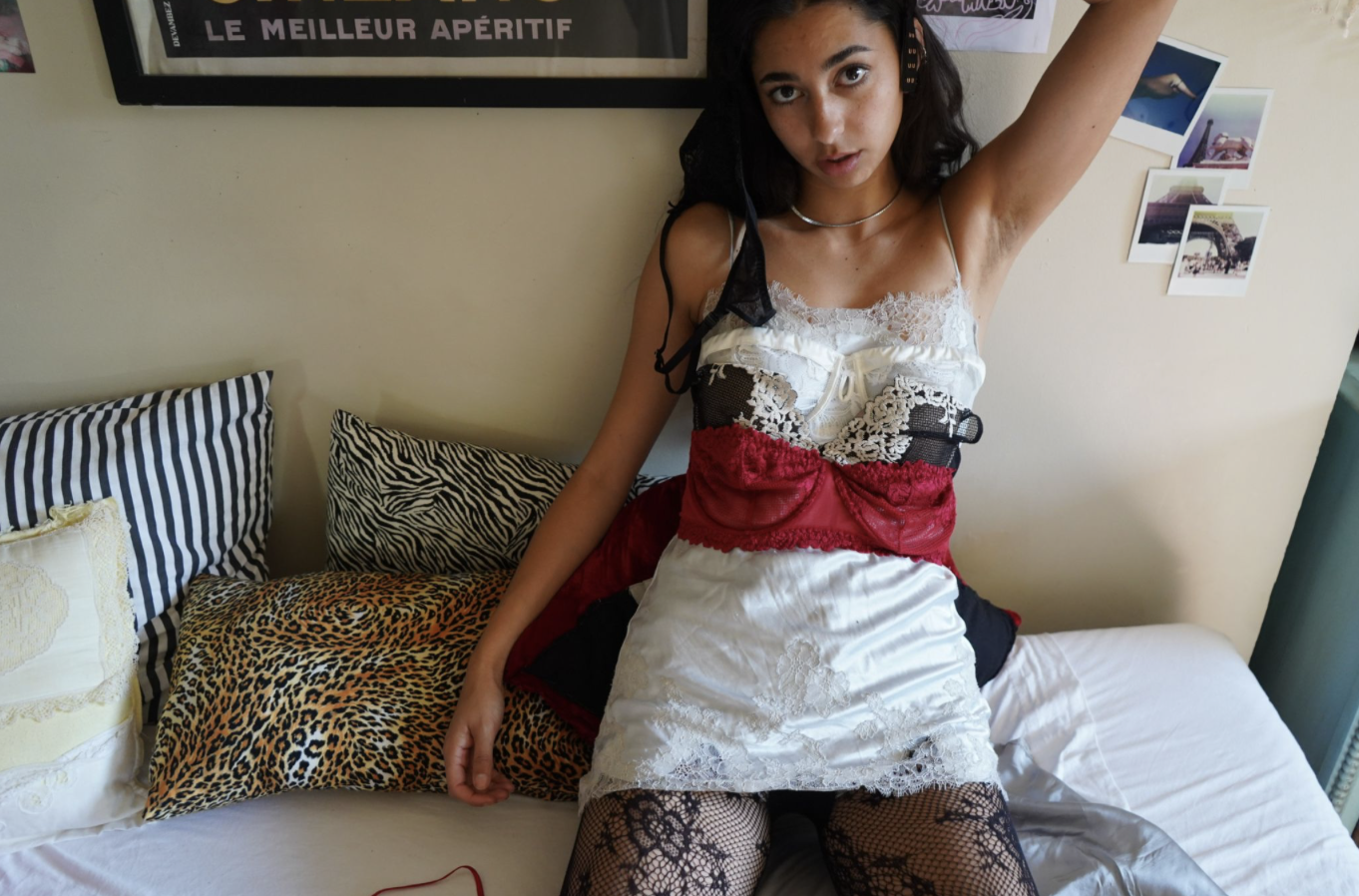
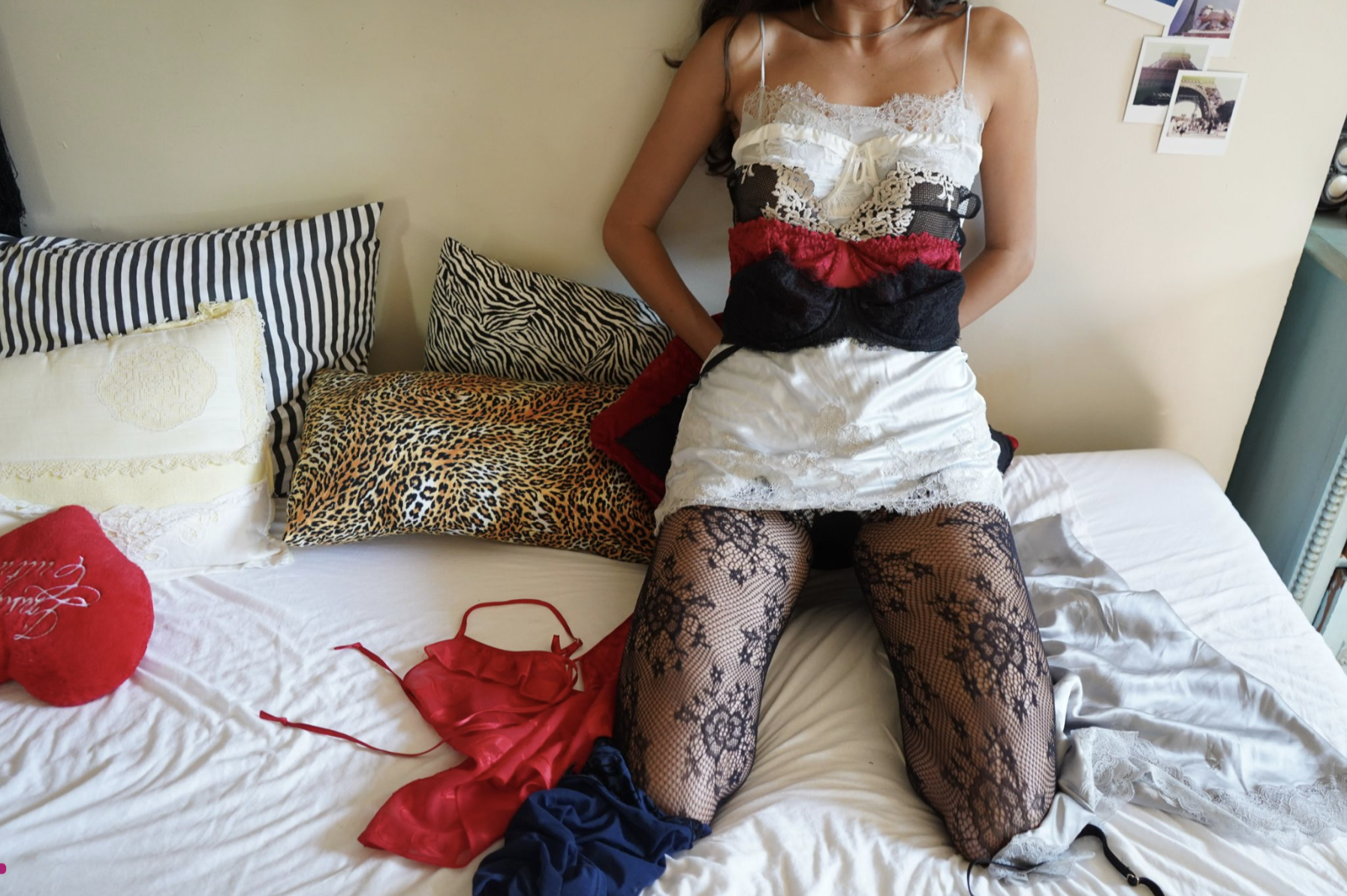
I remember back in 2021—a scary time for fashion—when corsets began to trend, and older generations with their taboo ideals reacted viscerally. To them, corsets were public indecency, because now, instead of wearing lingerie to bed or for intimate moments, Gen Z styles them as going-out clothes. The corset became the uniform for dressing up: what you wore to grab a drink with some friends, go to a party, or even go to class. But how can this be viewed as indecent?
Between different generations, there is a shift in our mindsets of what we deem acceptable to be seen in. I don’t wear my lingerie to bed. I find myself throwing on battered t-shirts to sleep and wearing slip dresses to Tap Haus.
I hide and try to remain mysterious or unrecognizable when I’m out in public in a t-shirt and pajamas because I would rather the world not see me in my idea of public indecency.
But why would a brand make an article of clothing so beautiful if it's not meant to be seen?
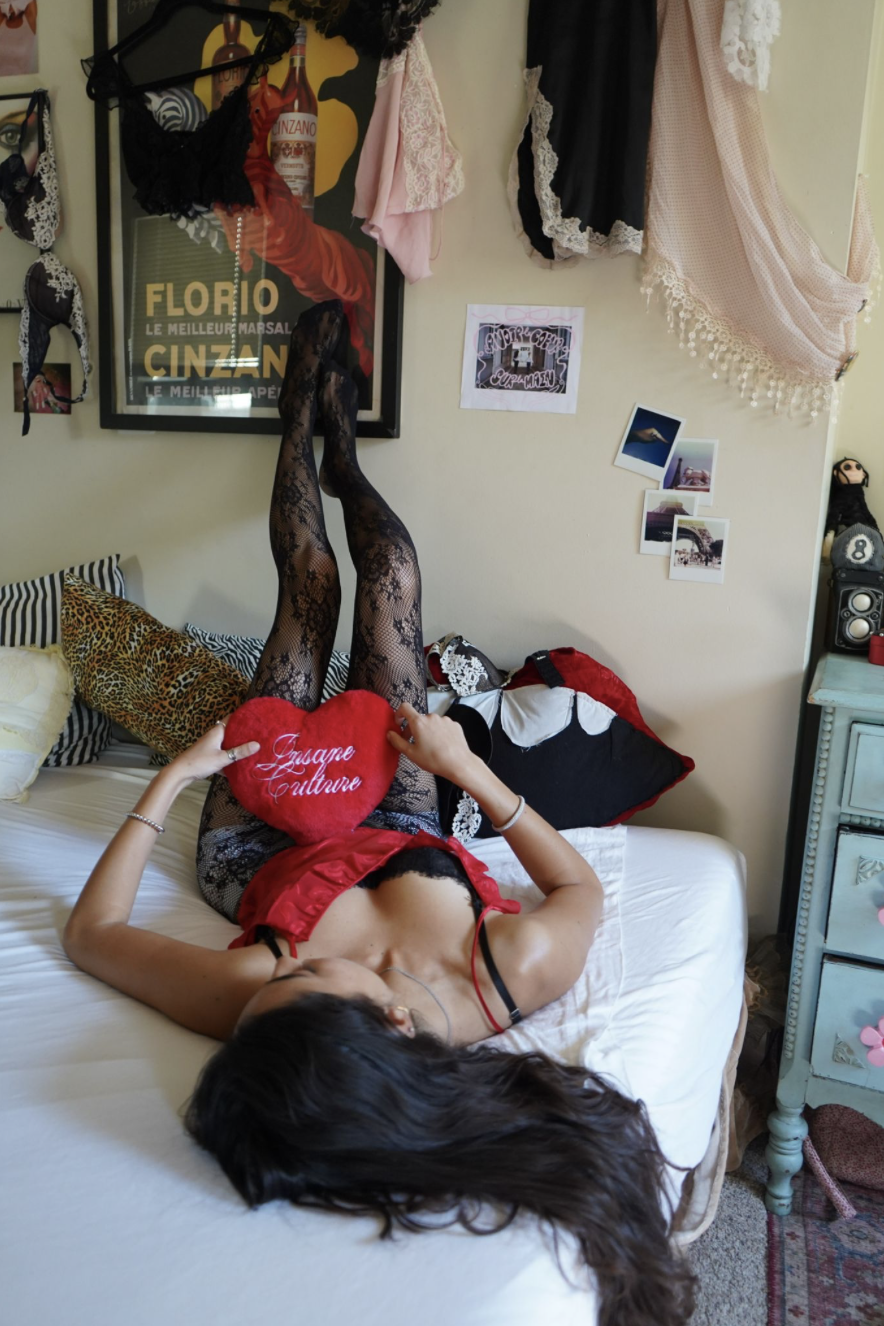
My answer is that these pieces are meant to be seen. Rather than hide the art that makes me confident, I choose to run around town on a night out in my “underwear.” But when we begin to show off what some would consider underwear as regular clothes, does lingerie devolve into “lingerie” and evolve more into everyday fashion? In order to appreciate lingerie as the glamorous, empowering article of clothing that it is, do we need to cover up and “leave more to the imagination?”
The simple answer is no. What makes lingerie “lingerie” is not the secrecy kept behind it but its unapologetic empowerment of our bodies, privately or publicly. It is up to us how much we show or “leave to the imagination,” as long as we feel sexy strutting down Sproul.